
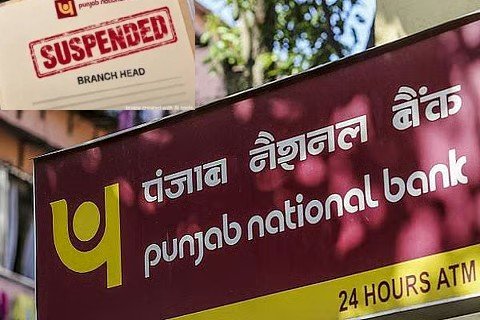
NEW DELHI — In a alarming sequence of events exposing operational vulnerabilities in India’s second-largest public sector bank, Punjab National Bank (PNB) has cracked down on severe internal protocol breaches across its branch network. Following a series of unannounced, top-level surprise inspections across several regions, PNB management has suspended nearly 20 branch heads after auditors and senior inspectors discovered unauthorized outsiders operating inside restricted banking areas, including cash cabins and core operational systems.
The crackdown comes simultaneously as PNB grapples with a high-profile multi-crore fraud investigation at its Greater Noida branch, where unauthorized access and credential misuse led to millions vanishing from customer accounts—triggering a Central Bureau of Investigation (CBI) probe.
Surprise Inspections Uncover Outsiders in Sensitive Cash Cabins
The nationwide audit was initiated by PNB’s top management to evaluate branch-level compliance, security protocols, and operational integrity. What senior officials encountered during the surprise checks sent shockwaves through the institution’s executive leadership.
Inspections revealed that unauthorized private individuals—ranging from unofficial helpers to insurance agents and third-party intermediaries—were present inside secure operational zones. In one instance, an outsider was caught actively assisting a teller inside a locked cash cabin during morning banking hours. Subsequent review of internal CCTV footage confirmed that the same individual had been routinely participating in the daily cash-balancing and evening closing procedures.
In other branches, unauthorized individuals were found sitting at bank terminals, operating systems, and acting as middle-men between branch managers and prospective loan applicants or retail customers.
Taking immediate action against the breach of statutory banking protocols, PNB executive management issued swift suspension orders for approximately 20 Branch Managers. The bank emphasized that allowing non-employees into cash enclosures or system consoles violates the Reserve Bank of India (RBI) security guidelines, compromising both data security and customer asset protection.
Shadow of the ₹11+ Crore Greater Noida Fraud Case
The surprise audits coincided with an ongoing crisis at PNB’s Greater Noida branch. In late October, a major financial scam came to light when local account holders—including farmers who had deposited land compensation funds into Fixed Deposits (FDs)—discovered unauthorized debits and missing balances totaling over ₹11.24 crore (with local customer groups alleging discrepancies up to ₹35 crore).
Preliminary investigations revealed a compromised security chain:
- Credential Sharing & Misuse: A branch staff member allegedly conspired with outside accomplices to gain unauthorized access to the Branch Manager’s administrative credentials and passwords.
- Systemic Siphoning: Utilizing the elevated system permissions, unauthorized debits and premature closures of customer FDs were executed without account-holder consent.
- Regulatory Action: PNB suspended 12 employees—including the Greater Noida Branch Manager—and formally transferred the matter to the CBI, which registered a criminal case following a complaint filed by PNB’s Circle Office.
The Greater Noida scandal served as the immediate trigger for management to order nation-wide surprise checks, resulting in the suspension of the ~20 branch heads.
Systemic Staff Shortages vs. Institutional Security
While the bank’s stern disciplinary measures have been praised by governance experts, the suspensions have reignited a fierce industry-wide debate regarding operational pressure and staffing shortages in Public Sector Banks (PSBs).
Branch managers and trade union representatives point out that severe understaffing forces ground-level personnel to handle multiple operational roles simultaneously. Faced with demanding Turnaround Time (TAT) metrics, daily passbook printing queues, cash handling, and aggressive targets for non-banking products (such as insurance and mutual funds), some branches allegedly turned a blind eye to unofficial “helpers” to manage daily customer footfalls.
However, financial auditors stress that work pressure can never justify compromising core security protocols. Allowing unvetted outsiders access to terminal consoles or cash vaults presents severe security risks, including identity theft, credential compromise, internal fraud, and systemic corruption.
Looking Ahead: Strict Compliance Mandates
In the wake of these high-profile suspensions and the CBI investigation, PNB has initiated a comprehensive audit of operational controls across all its zonal and circle offices. Moving forward, the bank is introducing stricter biometric authorization for sensitive transactions, mandatory rotational credential policies, and zero-tolerance physical access rules for branch operational areas.
As public sector institutions continue to modernize, the PNB incident highlights a critical reality: digital security systems are only as strong as the physical and administrative protocols governing the human personnel behind them.